Elena Wolf · 28 October 2026
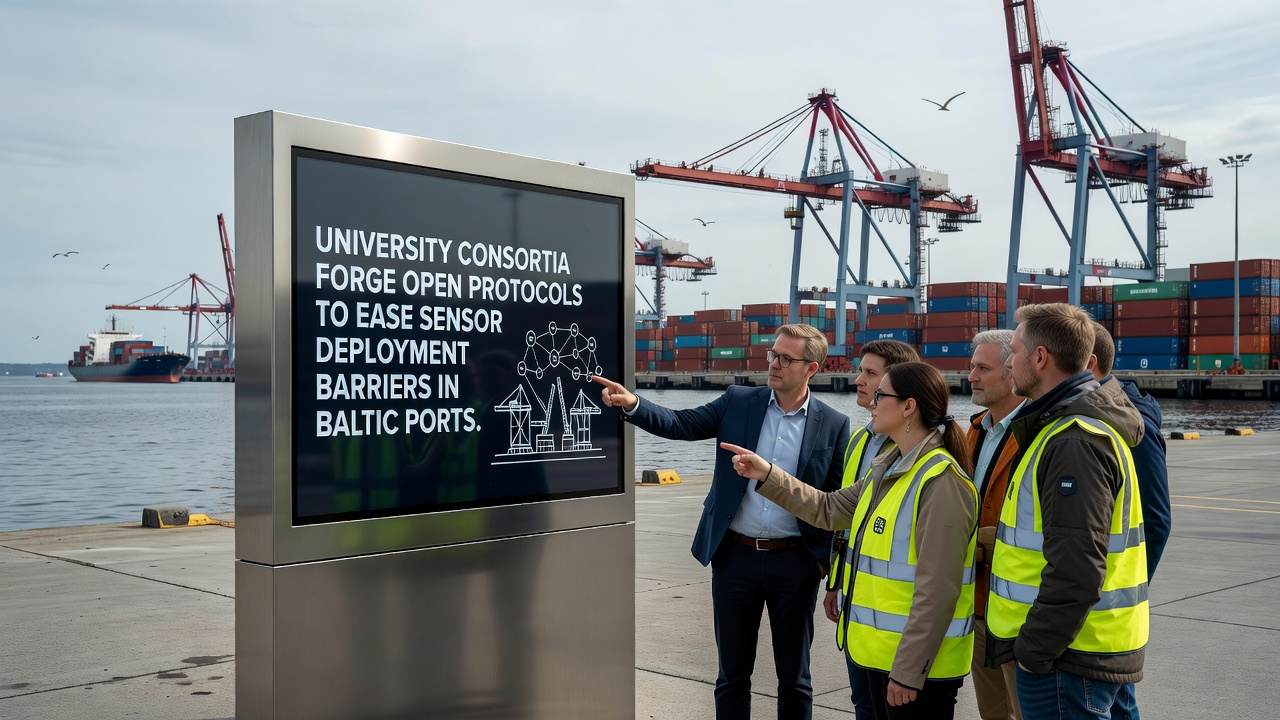
University Consortia Forge Open Protocols to Ease Sensor Deployment Barriers in Baltic Ports
University networks across the Baltic region have developed shared technical standards that address longstanding obstacles to sensor installation in port environments, and these efforts now connect institutions from Poland, Sweden, Finland, and Germany through coordinated research programs.
Deployment barriers have included incompatible hardware interfaces, varying data formats, and regulatory differences among port authorities, yet the new protocols standardize communication layers and power requirements while maintaining compatibility with existing maritime equipment, according to project documentation from participating universities.
Background on Sensor Challenges in Baltic Ports
Baltic ports handle substantial cargo volumes each year, and monitoring systems for water quality, structural integrity, and vessel traffic often require custom engineering for each site, which raises costs and delays projects; researchers at several institutions identified these patterns through joint field assessments conducted between 2023 and 2025.
Data from port operators shows that sensor projects frequently encounter issues with proprietary software lock-ins and mismatched physical connectors, and these problems compound when equipment must operate in harsh marine conditions with limited maintenance access.
Formation of the University Consortia
Consortia emerged from existing academic partnerships that expanded to include technical faculties focused on maritime engineering and computer science, and representatives from Gdańsk University of Technology, Chalmers University of Technology, and Aalto University established working groups in late 2024 to draft initial protocol specifications.
Funding streams from national research councils and EU maritime initiatives supported the work, while regular virtual meetings allowed teams to align on core requirements without duplicating efforts across borders.
Key Elements of the Open Protocols
The protocols define standardized data exchange formats based on established maritime messaging standards, and they incorporate modular interfaces that permit sensors from different manufacturers to connect through common gateways, which reduces the need for site-specific adapters.
Power management specifications address variable energy sources available at dockside locations, including solar and wind options alongside grid connections, and security provisions require encrypted transmission channels that comply with international maritime cybersecurity guidelines.
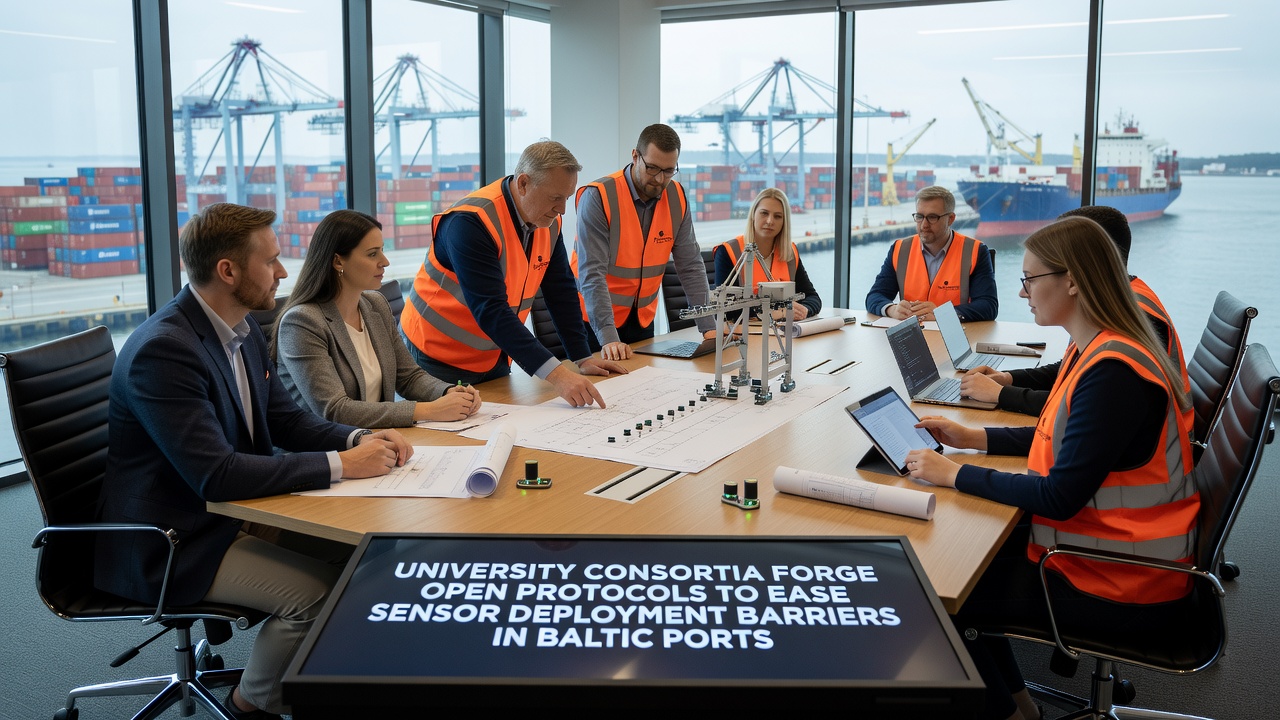
Testing phases involved pilot deployments at three port locations during summer 2025, and results indicated reduced setup times compared with previous custom approaches, while data consistency improved across different sensor types.
Implementation Timeline and October 2026 Developments
Full documentation for the protocols reached public release in mid-2025, and port authorities in several cities began integration planning shortly afterward, with broader adoption expected during 2026.
Events scheduled for October 2026 include joint demonstrations at the Port of Gdynia and the Port of Helsinki, where university teams will showcase live sensor networks operating under the new standards alongside industry partners.
These demonstrations aim to illustrate interoperability across equipment from multiple vendors, and observers from regulatory bodies such as the International Maritime Organization have been invited to review compliance aspects.
Regional Impact and Related Research
Similar initiatives in other European waterways have drawn on the Baltic model, and reports from the European Maritime Safety Agency highlight how open standards can accelerate monitoring capabilities in busy commercial zones.
Academic papers published in 2025 detail the protocol architecture, and one study from Chalmers University of Technology examined energy efficiency gains when sensors share common power negotiation routines rather than operating in isolation.
Additional work at the University of Turku explores integration with existing port management software platforms, and findings suggest streamlined data flows that support both operational decisions and environmental reporting requirements.
Conclusion
The university consortia approach demonstrates how shared technical frameworks can lower entry points for sensor technology in complex port settings, and ongoing collaboration through 2026 will determine how widely these standards spread across additional Baltic facilities and beyond.
Continued refinement based on field data remains central to the effort, while participating institutions maintain open channels for feedback from operators and equipment suppliers.