Sam Hayes · 2 September 2026
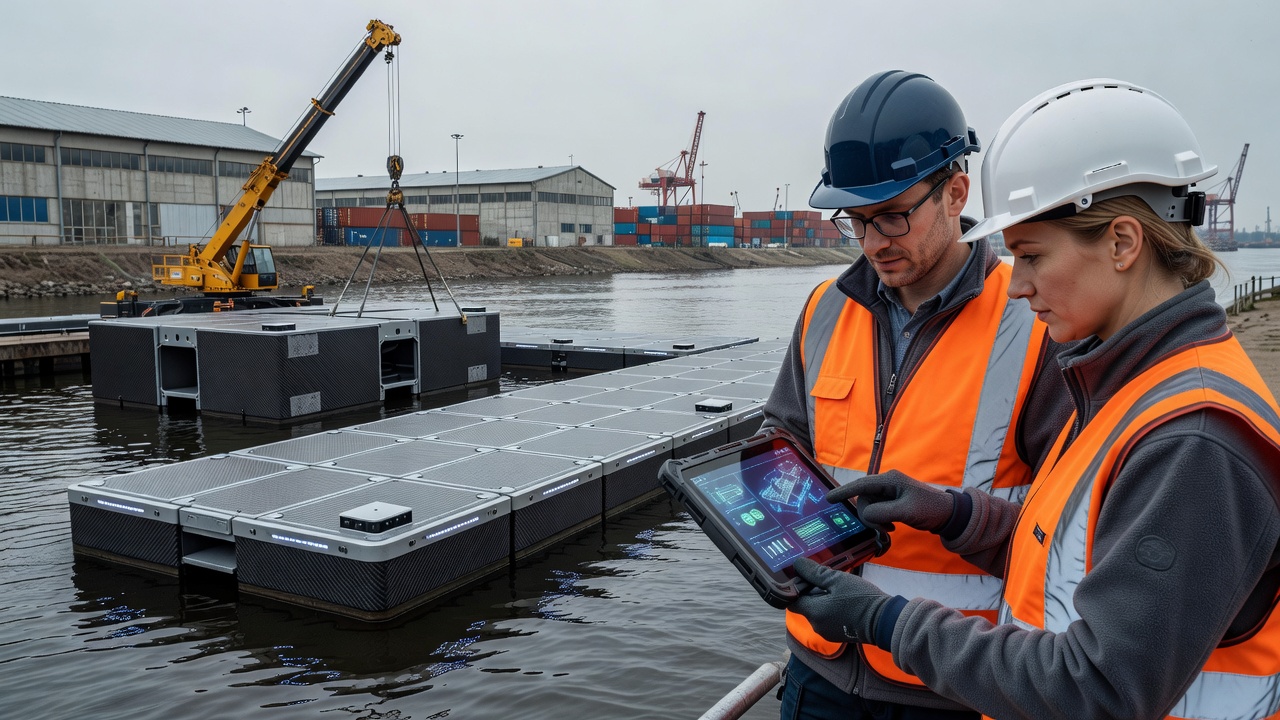
The National Centre for Research and Development in Poland has awarded a multi-year grant to Clever Dock Research to advance prototypes of AI-enhanced docking systems. The funding targets improvements in maritime and industrial port operations through machine learning and sensor integration. Researchers will focus on real-time decision making for vessel alignment, load balancing, and environmental adaptation.
Project leads expect the prototypes to reduce docking times by up to 30 percent while lowering collision risks. The grant covers hardware fabrication, algorithm training on regional port data, and field trials at two Baltic Sea facilities. Collaboration with local engineering firms will ensure compliance with EU maritime safety standards.
Technical Components Under Development
Core elements include convolutional neural networks for visual recognition of mooring points and reinforcement learning models that optimize thruster commands during approach. Lidar and radar fusion will provide redundancy in low-visibility conditions. Edge computing modules will process data onboard to minimize latency. Early simulations indicate the system can handle variable currents and wind gusts more effectively than current manual or basic automated methods. Data collection from existing dock sensors will train models on historical incidents to predict and prevent common errors.
Additional work covers energy-efficient actuators and modular sensor housings resistant to saltwater corrosion. The team plans quarterly progress reports shared with Polish academic partners. Budget allocation prioritizes open-source elements where feasible to encourage wider adoption in European ports.
Projected Impact and Timeline
Over three years the project aims to deliver two functional prototype units for testing on commercial vessels. Success metrics include measured reductions in fuel consumption during berthing and improved throughput at congested terminals. Economic analyses project annual savings for operators exceeding the grant value within five years of deployment. Environmental benefits stem from fewer idling engines and reduced need for corrective maneuvers that disturb seabeds.
Training programs for port personnel will accompany the technology rollout. If milestones are met, follow-on funding may extend trials to inland waterways. The initiative positions Poland as a contributor to smart infrastructure solutions amid growing global trade volumes.