Elena Wolf · 2 September 2026
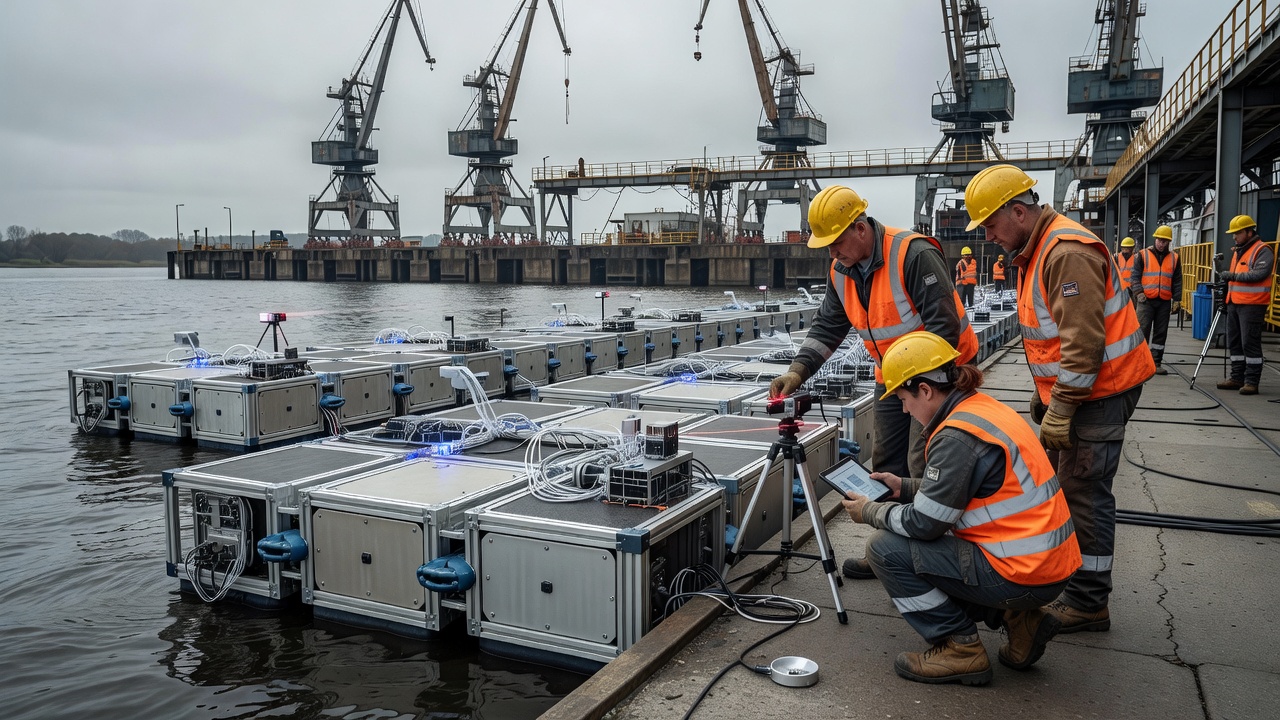
The Polish Ministry of Science and Higher Education has provided a substantial grant to support the development of artificial intelligence enhanced dock prototypes at Clever Dock Research. This initiative focuses on improving efficiency and safety in docking operations through advanced machine learning algorithms. The project seeks to integrate cutting edge technologies into traditional dock structures for enhanced performance. Experts anticipate significant advancements in operational protocols as a result of this funding opportunity.
Funding Allocation and Research Goals
The grant totals approximately 2.5 million Polish zloty over three years. Researchers will explore sensor integration and predictive analytics for real-time decision making in dock management. Initial phases include data collection from existing dock systems followed by model training. Collaborations with universities in Warsaw and Gdansk are planned to leverage expertise in robotics and computer vision. Expected outcomes encompass prototypes capable of autonomous adjustments based on weather and vessel data. Additional studies will examine scalability for different port sizes. Project timelines indicate prototype completion within the second year followed by extensive validation trials. The research team consists of experts in AI engineering naval architecture and data science. Data privacy protocols will be strictly followed throughout the project duration to ensure compliance with European regulations.
Potential Impacts on Maritime Industry
AI enhancements could reduce docking times by up to 30 percent while minimizing human error. Environmental benefits include lower fuel consumption due to optimized approaches. The project also addresses challenges in varying sea conditions using reinforcement learning techniques. Team members emphasize ethical AI use and data privacy in all developments. Future applications may extend to international ports seeking smart infrastructure solutions. Ongoing testing will validate the prototypes in simulated and real environments. Industry partners have expressed interest in adopting these technologies upon successful demonstration. Overall the grant represents a major step forward for Polish research in applied artificial intelligence within the maritime sector. Further investigations will focus on cost effectiveness and maintenance requirements of the new systems. Simulations have already shown promising results in controlled laboratory settings according to preliminary reports. Stakeholders from the shipping industry are closely monitoring the progress of this innovative research endeavor.