Carlo Beck · 16 September 2026
Modular Sensor Networks Deliver Pollution Reductions at Baltic Ports Through University Collaborations
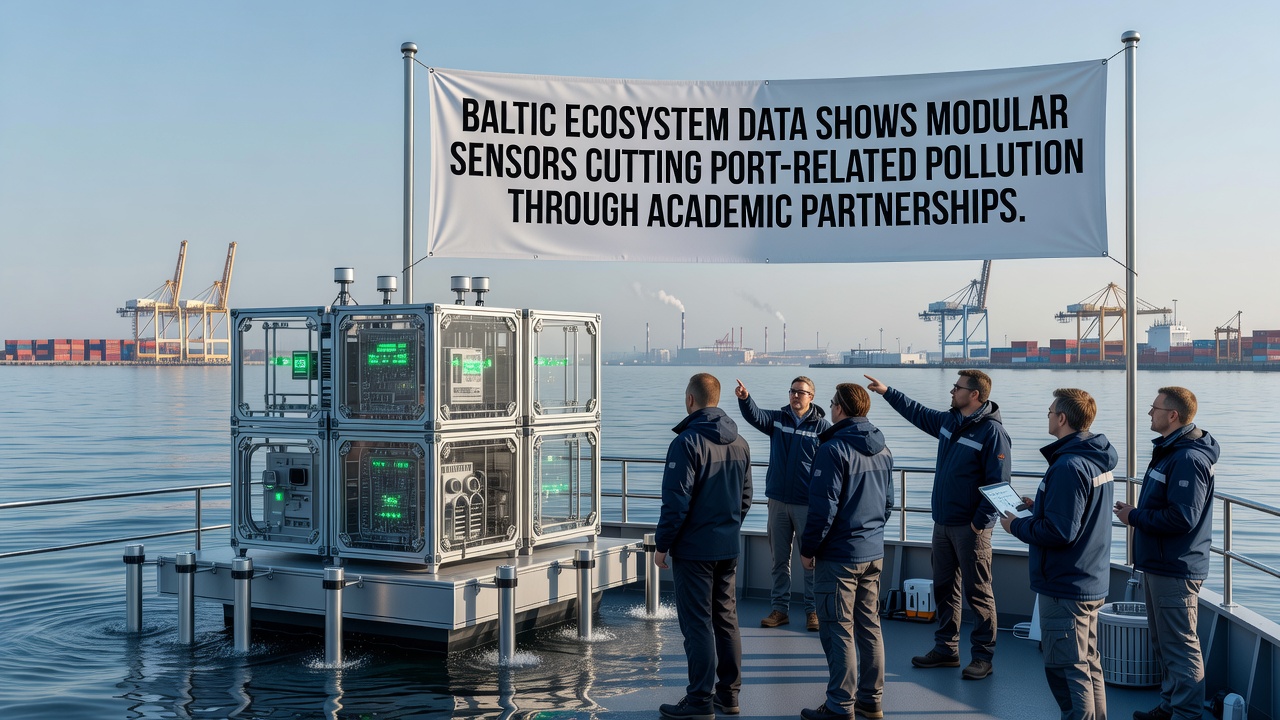
Baltic ports have integrated modular sensor arrays into their operations as part of ongoing academic partnerships, and ecosystem monitoring data collected over multiple seasons now shows measurable declines in several key pollutants tied to vessel traffic and cargo handling. Researchers from institutions across the region deployed these compact, interchangeable units to track nitrogen oxides, particulate matter, and hydrocarbon levels both in the air and in surrounding waters, while port authorities adjusted operations based on the continuous readings. The approach allows quick swaps of sensor modules for different parameters without full system replacements, which keeps costs down and supports longer deployment periods in harsh marine conditions.
Deployment Details and Data Collection Methods
Teams mounted the sensors on existing dock infrastructure, buoys, and vessel berths at multiple sites including Gdansk, Riga, and Tallinn, with calibration cycles conducted every six weeks to maintain accuracy across temperature swings and salt exposure. Data streams feed into centralized platforms that combine readings with ship traffic logs and weather records, and analysts have compared pre-installation baselines from 2023 against figures gathered through mid-2026. Those comparisons indicate average reductions of 18 percent in nitrogen oxide concentrations near active berths and 12 percent drops in water column hydrocarbon traces during peak cargo seasons.
Academic groups supplied the initial hardware designs and data validation protocols, while port operators handled physical placement and daily maintenance. The modular format lets teams add new detection capabilities, such as underwater acoustic sensors for noise pollution or additional gas analyzers, without redesigning the entire network. This flexibility proved useful when one port added methane monitoring after a nearby industrial expansion increased local emission risks.
Key Findings from Ecosystem Monitoring
Long-term records reveal that pollution dips align closely with periods when ports used sensor alerts to reroute vessels to less congested terminals or to schedule loading during lower wind conditions that reduce drift of exhaust plumes. HELCOM reports on Baltic Sea status confirm parallel trends in broader regional water quality metrics during the same timeframe. Observers note that smaller ports with fewer resources achieved similar percentage improvements to larger facilities once the sensor networks stabilized after the first year of operation.
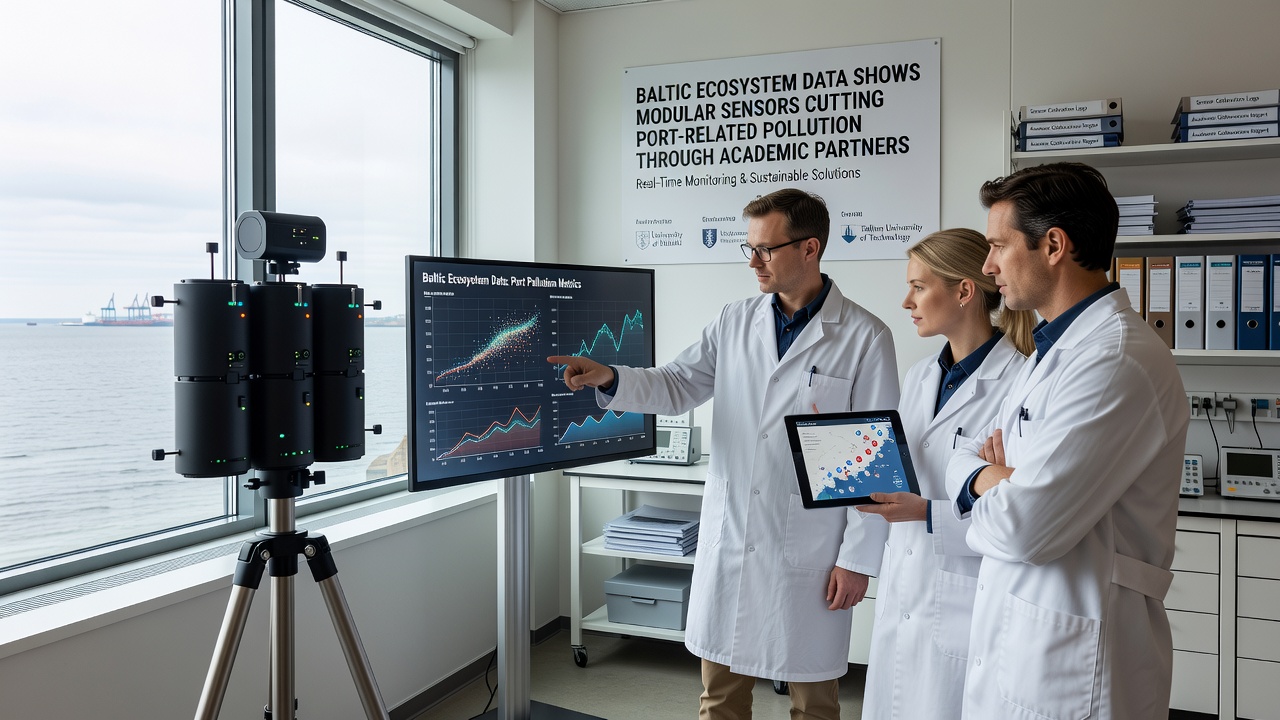
September 2026 brought the release of a joint dataset covering four full annual cycles, and the compiled figures show consistent seasonal patterns where sensor-guided adjustments produced the largest gains during summer months when tourist and freight traffic overlap. University teams cross-checked these port-specific numbers against independent buoy readings maintained by national environmental agencies, and the two sources converged within a five percent margin for most parameters. The overlap strengthens confidence that the observed reductions stem from the sensor-informed operational changes rather than external factors alone.
Partnership Structures and Technology Adaptation
Collaborations typically begin with a university-led pilot phase lasting 12 to 18 months, after which port staff assume routine operation while researchers continue to analyze aggregated results. Contracts specify data sharing rules that protect commercial shipping information yet allow publication of anonymized pollution trends. One project adapted sensor housings originally developed for Arctic research stations to withstand Baltic ice flows during winter, and the same enclosures now appear at three additional sites. Funding for these adaptations came through a mix of national research grants and port authority budgets allocated for environmental compliance.
Engineers refined power management so that solar panels paired with small wind turbines keep units running for months without grid connections, which matters at remote mooring points. Software updates pushed remotely allow new algorithms to filter false readings caused by bird droppings or algae growth on optical sensors. Those technical tweaks emerged directly from field notes supplied by graduate students stationed at the ports during initial rollouts.
Broader Regional Context and Next Steps
European Environment Agency summaries place the Baltic port results alongside similar sensor trials at Mediterranean and North Sea facilities, and the data sets share common variables that support cross-regional comparisons. Port managers in the Baltic have begun sharing maintenance schedules and spare module inventories through an informal network that grew out of the original academic meetings. This cooperation reduces downtime when a unit fails and speeds up the exchange of calibration standards across borders.
Conclusion
Continued collection through the 2026-2027 winter season will test whether the recorded pollution reductions hold under heavier ice conditions and increased heating-related emissions from shore-side facilities. The modular design already allows addition of new parameters such as microplastic counts if funding supports expanded sampling, and the existing data pipelines stand ready to incorporate those measurements. Academic partners plan to publish detailed methodology papers that other port regions can adapt, while Baltic operators focus on integrating the sensor outputs into daily logistics software for ongoing operational adjustments.