Mia Lange · 30 September 2026
Dock Tech Goes to School: Polish Universities Embed Sensor Projects in Maritime Studies
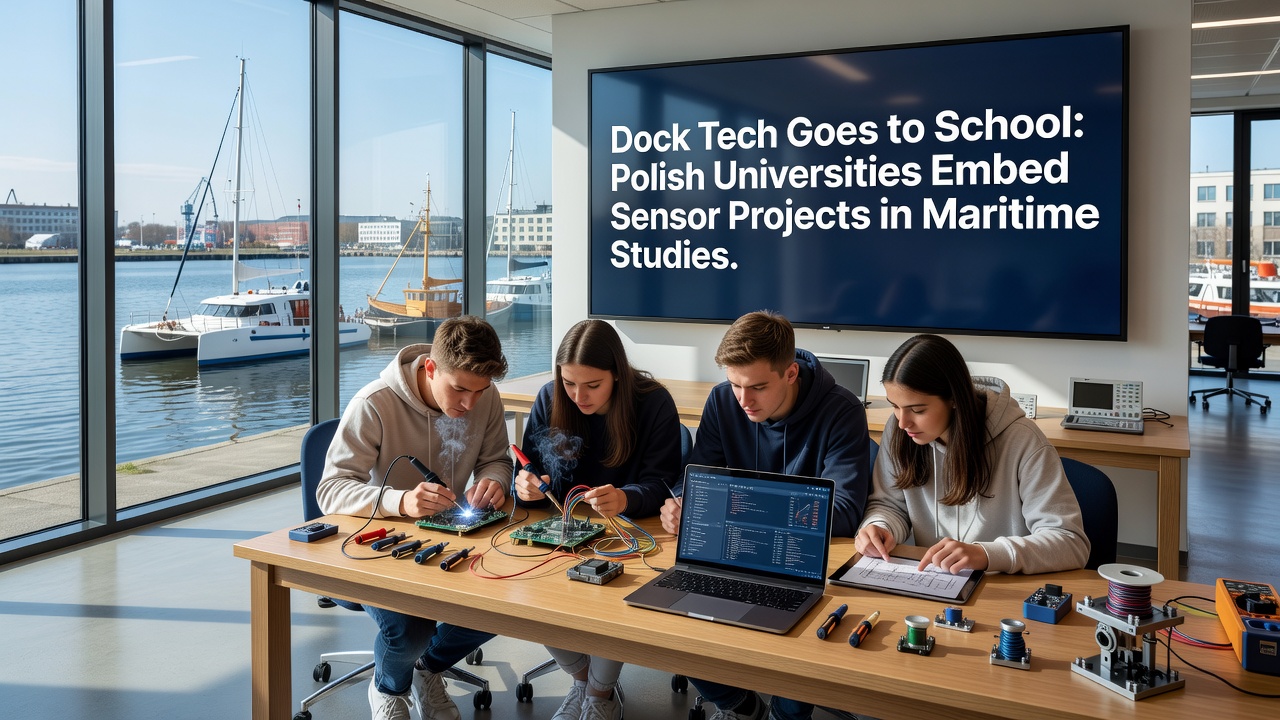
Polish maritime education programs have expanded to include hands-on sensor technology projects that connect directly with dock operations and environmental monitoring along the Baltic coast. Universities such as the Maritime University of Gdynia and Gdansk University of Technology now integrate these projects into undergraduate and graduate curricula, where students design, deploy, and analyze data from networks that track water quality, vessel traffic, and structural stress on port infrastructure. Data from these student-led initiatives feed into broader port management systems, and enrollment in the related courses has grown steadily since the programs began incorporating practical components several years ago.
Curriculum Shifts in Maritime Departments
Maritime studies departments have updated course sequences so that sensor calibration, wireless data transmission, and basic machine learning for anomaly detection sit alongside traditional subjects like navigation and ship stability. Students complete semester-long modules that require them to build compact sensor nodes, place them at selected dock locations, and interpret the resulting datasets against regulatory thresholds set by Baltic Sea environmental agreements. Faculty members coordinate with local port authorities to secure access to real deployment sites, which allows project results to contribute to ongoing maintenance schedules rather than remaining purely academic exercises.
One cohort at Gdansk University of Technology developed a low-power acoustic sensor array that detects changes in underwater piling conditions; the same group later presented findings at a regional maritime technology forum. Another team at the Maritime University of Gdynia focused on optical sensors for oil-sheen detection and calibrated their instruments against samples provided by port environmental teams. These projects run for two academic terms and culminate in reports that port operators can reference when planning equipment upgrades.
Technical Components Students Handle
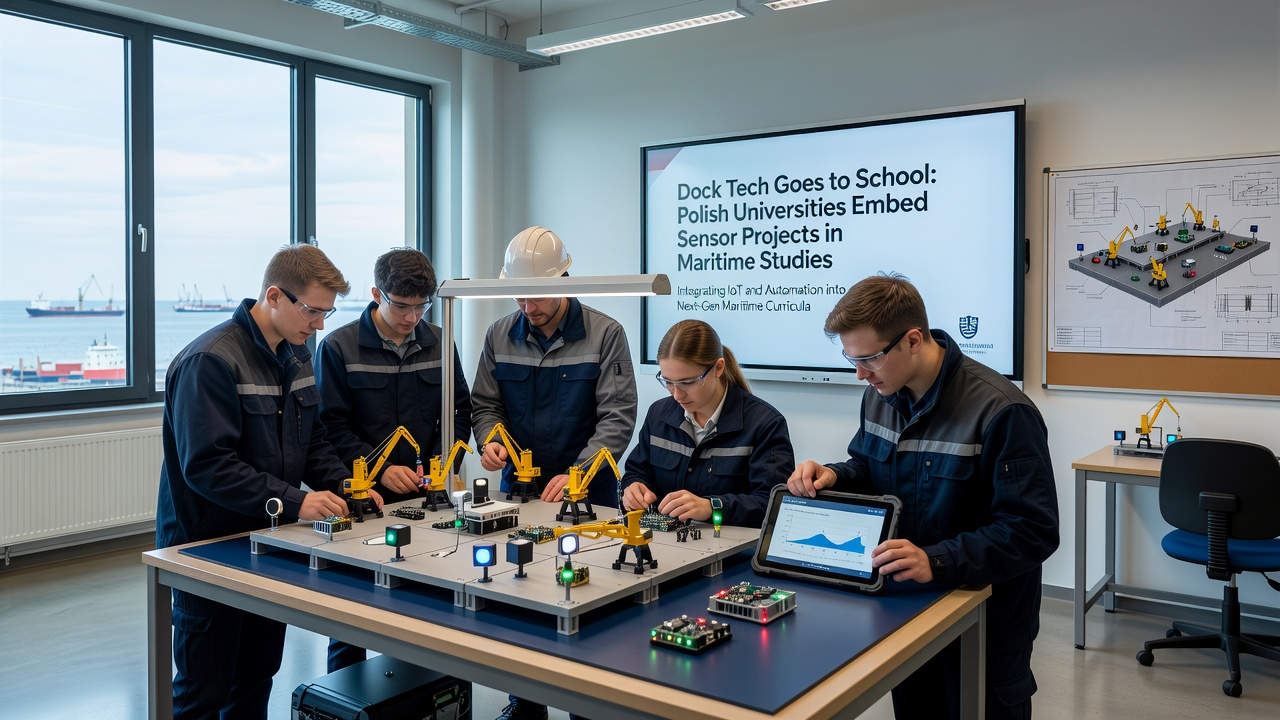
Participants work with modular hardware kits that include temperature, salinity, and vibration sensors, all linked through standardized communication protocols. Programming assignments introduce students to edge computing techniques so that preliminary data filtering occurs on the node itself before transmission to university servers. Laboratory sessions cover power management for long-term deployments and the effects of biofouling on sensor accuracy, topics that mirror challenges faced by commercial dock monitoring systems. Course materials draw from open datasets released by the European Maritime Safety Agency, giving students direct experience with the same information streams used by regulatory bodies.
Collaboration with Port Operators
Port authorities in Gdynia and Gdansk have established formal internship pathways that place students inside operational control rooms during peak monitoring periods. Interns review live feeds from both university prototypes and permanent installations, then prepare summaries that compare sensor drift rates across different manufacturers. These placements last between six and ten weeks and count toward degree requirements. Port staff, in turn, receive updated calibration protocols developed during the student projects, creating a two-way exchange of practical knowledge.
Joint workshops held twice each year bring together faculty, students, and engineers from the ports to review deployment logs and refine sensor placement strategies. Records from these sessions show consistent reductions in false-positive alerts after successive iterations of student-designed filtering algorithms. The workshops also serve as recruitment events, with several graduates moving directly into port technology teams after completing their degrees.
Timeline and Next Steps for 2026
Program coordinators have scheduled the next major curriculum revision for the academic year beginning in September 2026. That update will add a required capstone course focused on multi-sensor fusion techniques, expanding the current single-parameter monitoring approach. Planning documents indicate that participating universities will share a common data repository hosted on secure academic servers, allowing cross-institution comparisons of sensor performance under similar Baltic conditions. Funding for the expanded repository comes through existing national research allocations rather than new external grants.
Faculty have also arranged guest lectures from specialists at the European Commission’s Directorate-General for Maritime Affairs and Fisheries, scheduled to begin in the spring term before the 2026 rollout. These sessions will cover updates to EU monitoring standards that affect data formatting requirements for all port-related sensors.
Conclusion
Polish maritime universities continue to align educational requirements with operational needs at Baltic ports through structured sensor projects. Student work contributes measurable datasets to port records while building practical skills that transfer directly to industry roles. The September 2026 curriculum adjustments will extend those connections by introducing shared data platforms and updated technical standards drawn from EU sources. Observers tracking the programs note that the steady integration of sensor technology into coursework reflects broader shifts in how maritime education prepares graduates for technology-driven port environments.