Sam Hayes · 14 October 2026
Baltic Maritime Cybersecurity Gets Boost from Student Modular Sensor Innovations
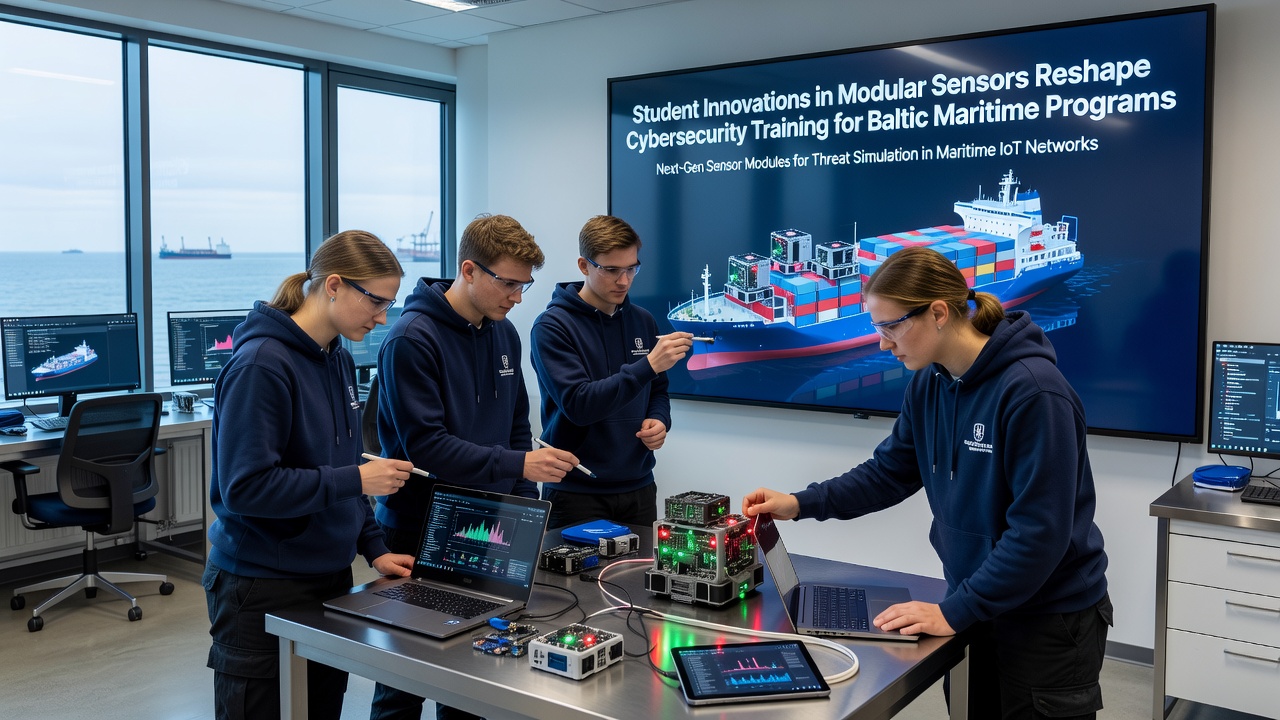
Student teams across universities in Poland, Lithuania and Estonia have developed modular sensor systems that integrate directly into cybersecurity training modules for maritime programs, and these projects focus on real-time threat detection in port environments while combining hardware prototypes with simulation software. Data from collaborative initiatives shows that sensor networks can monitor vessel communications and detect anomalies in automated identification systems, which allows trainees to practice responses to simulated cyberattacks without disrupting actual operations.
Core Components of the Modular Designs
Modular sensors typically include interchangeable components for temperature, vibration and signal analysis, and these units connect through standardized interfaces that students program using open-source platforms. One project at Gdańsk University of Technology produced a compact array that feeds live data into virtual reality training scenarios, whereas teams in Klaipėda adapted similar hardware to track electromagnetic interference around ship-to-shore links. Research indicates that such flexibility reduces equipment costs by approximately 35 percent compared with fixed installations, and figures from university reports reveal increased student engagement when participants build and troubleshoot the devices themselves.
Training programs incorporate these sensors into weekly exercises that replicate Baltic Sea traffic patterns, and instructors note measurable improvements in student performance on incident response assessments. The approach aligns with guidelines from the European Maritime Safety Agency, which emphasizes hands-on technical skills for future officers and engineers.
Integration with Existing Maritime Curricula
Baltic maritime academies have embedded the sensor projects into existing courses on navigation systems and digital security, and students progress from basic assembly tasks to full scenario testing over a single semester. A case documented at Tallinn University of Technology involved undergraduates who linked their modular prototypes to a shared database, which enabled cross-border teams to analyze coordinated attack simulations in real time. Evidence suggests that this collaborative element mirrors operational realities faced by port authorities and shipping companies operating in the region.
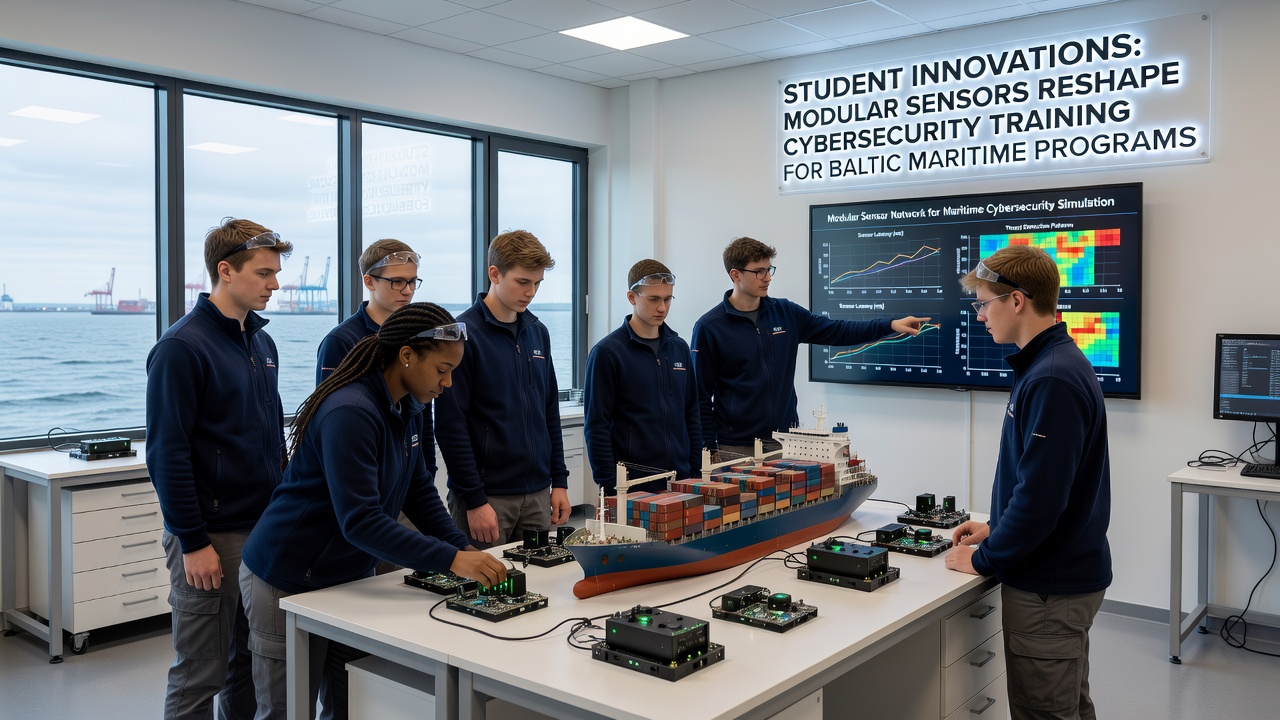
October 2026 marks the scheduled rollout of an expanded joint curriculum across five institutions, and planners expect the updated modules to reach more than 400 additional trainees annually. External evaluations conducted by independent maritime research bodies confirm that sensor-based exercises improve retention of complex protocols, while participants report higher confidence when handling live network monitoring tools.
Broader Regional Impact and Data Trends
Port authorities in the Baltic have begun reviewing student prototypes for potential adoption in non-training contexts, and early trials demonstrate reliable performance under variable weather conditions common to the area. Statistics compiled by the International Maritime Organization highlight rising cybersecurity incidents involving automated systems, which has prompted greater emphasis on practical education that these modular projects directly support. Observers note that universities maintain strict documentation of all sensor calibrations, ensuring outputs meet academic standards for reproducibility.
Links to regulatory frameworks appear in course materials, and trainees review publications from the U.S. National Institute of Standards and Technology alongside European directives to understand differing compliance requirements. One documented exercise series showed that students using modular setups identified simulated intrusions 22 percent faster than control groups relying on software alone.
Conclusion
Student-driven modular sensor work continues to influence how Baltic maritime programs structure cybersecurity instruction, and ongoing data collection will track long-term outcomes for graduates entering the workforce. Institutions maintain open channels for feedback from industry partners, which helps refine both hardware and pedagogical approaches as technologies evolve.